
 Photoshop
 Maya
Maya ZBrush
 Houdini
 Substance Painter
 Blender
 Arnold
 Nuke
Nuke KeyShot
 V-Ray
V-Ray Marvelous Designer
 Mari
Mari Marmoset Toolbag
 Substance Designer
 3ds Max
 Redshift
 3D Coat
 Lightroom
 Faceform Wrap
 After Effects
 Octane Render
 Speed Tree
 Daz3D
Daz3D Reality Capture
 Agisoft Metashape
 Modo
Modo Fusion
 Gravity Sketch
 Gaea
Gaea Premiere
 Cinema 4D
 Procreate
 Katana
 Quixel DDO
 Mudbox
 Mixamo
 SketchBook Pro
 SketchUp
 Adobe Medium
 Clip Studio Paint
 Natron
 Quixel Bridge
 Quixel Megascans
 Quixel Mixer
 Substance 3D Modeler
 World Creator
 Yeti
Yeti Ziva VFX
 Massive
 Materialize
 TreeIt
 Ornatrix
 PreForm
 SynthEyes
 Corel Painter
 QuickTime
 StoryboardPro
 xNormal
 animBot
 Unity
Unity ReCap
ReCap MeshMixer
 Gaffer
 DaVinci Resolve
 World Machine
 Krita
Krita
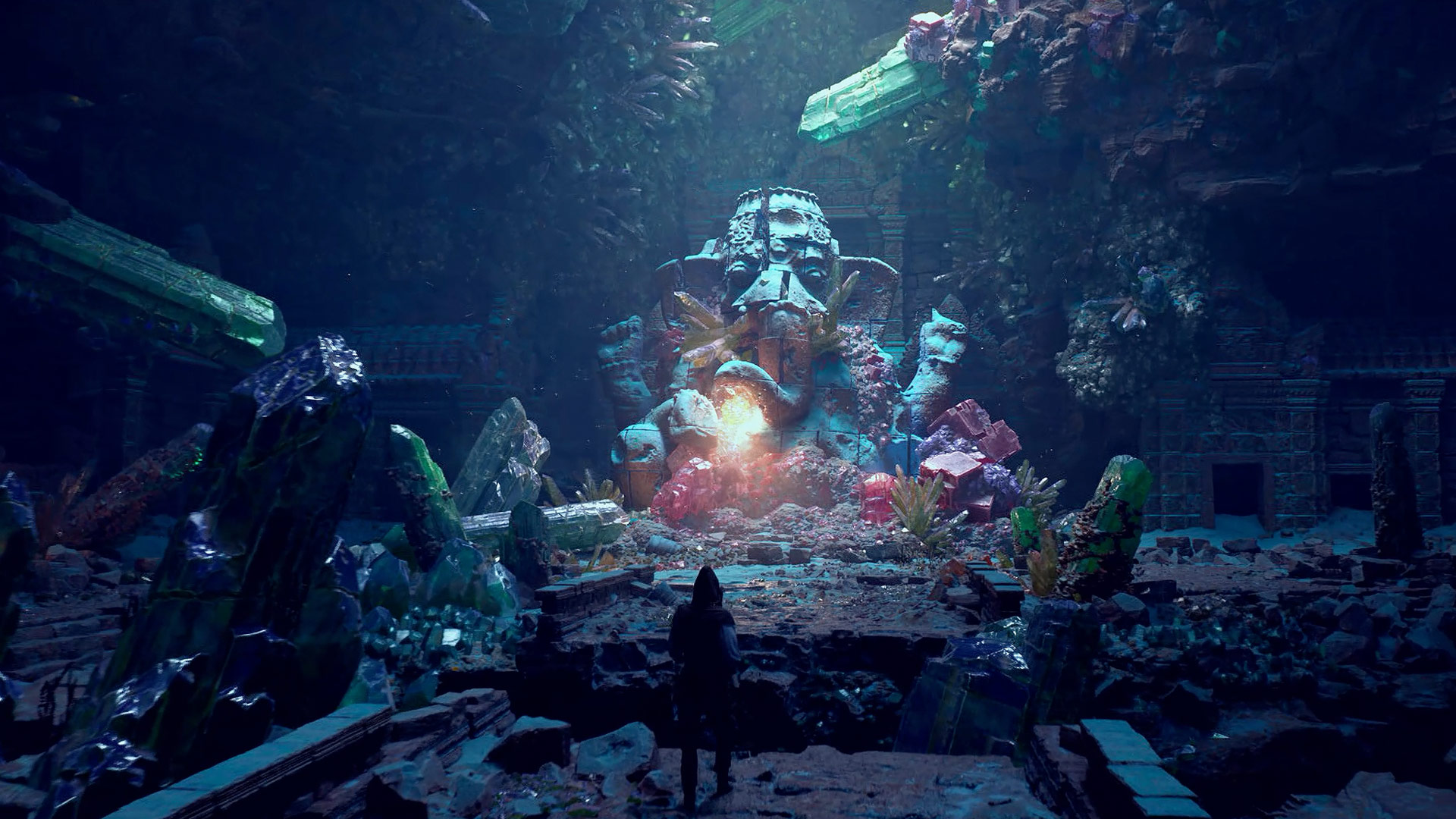








Learn how to create a professional cinematic matte-painting shot for your portfolio using Photoshop, Nuke, and Blender. This 3-hour workshop by Senior Digital Matte Painter Liane Xuelian Li will guide you through the core design and composition principles that form part of Liane’s professional toolset. You’ll walk through the complete process, from analyzing film, concept sketching, and building 3D assets in Blender, to achieving a photorealistic painting in Photoshop, and finally projecting your renders and matte painting into a three-second cinematic shot in Nuke.
This workshop is designed for artists with a basic understanding of Photoshop, Nuke, and Blender, as well as for those who already have the technical skills but want to elevate their work to a cinematic, production-quality level. Artists will gain a clear understanding of a matte-painting workflow, including how to prepare for a project, how to gather resources, and how to implement industry-standard methods.
By following this workshop, artists will discover how to create a complete matte painting, including the 3D assets required, and how to transform them into a polished cinematic environment. Additionally, the workshop offers insights into industry pipelines, workflows, and the different types of digital matte painting work commonly seen in VFX studios. As well as developing sharpened technical skills for matte painting, artists will also develop their eye for creating cinematic shots, learning how to make them stand out at a professional level.
Liane has provided her Photoshop files with this workshop, along with her Nuke Indie comp file.
10 Lessons
Liane Xuelian Li opens her workshop with a lesson that lays the foundation for understanding the role of digital matte painting in modern VFX production. By explaining both the types of work and pipeline placement, she prepares artists to better understand the techniques that will be demonstrated in the upcoming lessons. Liane highlights that while studio work involves specific client briefs and existing footage, portfolio work requires a broader skill set, including concept development and a personal creative vision.
Duration: 5m 39s

Successful matte painting integration requires careful analysis of multiple cinematographic elements working in harmony. By understanding camera positioning, lens characteristics, lighting conditions, and compositional techniques, artists can learn how to create digital environments that not only look realistic but also support the narrative and emotional goals of the scene. The key is recognizing that every technical choice contributes to both visual believability and storytelling impact.
Duration: 6m 46s

This lesson emphasizes the critical importance of thorough visual research and reference analysis in the concept art process. By studying successful film compositions and gathering diverse photographic references, artists can learn how to develop stronger storytelling techniques through visual elements while making informed technical decisions about their approach. Liane's systematic analysis of composition, color, and narrative elements provides a solid foundation for the subsequent concept sketching and photo-bashing phases.
Duration: 6m 26s

This lesson demonstrates that successful matte painting concept development relies on strong foundational skills in photo selection, composition, and storytelling rather than complex techniques. By working iteratively with multiple thumbnails and maintaining focus on values and narrative, artists can learn how to efficiently explore different creative directions while building a library of reusable elements. Her emphasis on organization, workflow optimization, and story-driven design provides a practical framework for developing professional-quality concept art.
Duration: 15m 49s

This matte painting lesson demonstrates how to combine multiple photographic elements into a cohesive digital environment using advanced Photoshop techniques. Liane's systematic approach to lighting consistency, atmospheric perspective, and layer organization creates both a compelling visual narrative and a technically sound foundation for 3D integration. Her emphasis on proper preparation and clean extraction work ensures the painting will function effectively when projected onto geometry for camera movement in the final composite.
Duration: 16m 1s

This lesson provides a complete pipeline for converting static matte paintings into dynamic 2.5D projections with convincing parallax motion. The key to success lies in meticulous Photoshop preparation, proper technical setup in Nuke, and iterative refinement to achieve realistic depth and movement. Since there's no real-world camera data when working from still images, Liane's process relies on artistic judgment to create believable parallax that enhances the illusion of a moving camera in a three-dimensional environment.
Duration: 16m 51s

This lesson demonstrates an efficient approach to creating 3D assets for matte painting that balances quality with production speed. Liane explains why extensive 3D expertise isn't necessary; knowing enough to achieve the desired result is sufficient, with final details and weathering handled more efficiently in the 2D paint-over stage. Her hybrid 3D-2D approach is commonly used in professional VFX production when time and rendering resources are limited.
Duration: 22m 10s

In this lesson, Liane demonstrates a professional approach to integrating CG elements into matte paintings by carefully preparing render passes and paying close attention to realistic details. The key to success lies in breaking up the perfection of CG geometry through weathering, maintaining consistent lighting and color relationships, and using proper atmospheric perspective to sell the integration. Her methodical approach of rendering utility passes and organizing layers properly sets up the project for efficient compositing in the final stages.
Duration: 26m 50s

This lesson demonstrates the iterative nature of professional matte painting, where continuous refinement and adjustment of elements create convincing photorealistic environments. Liane's methodical approach to depth enhancement, combined with strategic use of photo references and meticulous attention to color consistency, transforms a basic composition into a compelling, dimensionally rich landscape. Her careful preparation and organization of layers sets the foundation for successful final compositing in the next phase of the project.
Duration: 26m 58s

This comprehensive final lesson demonstrates how technical proficiency in compositing software serves the larger artistic vision of creating believable digital environments. Liane emphasizes that while tools and software may evolve over time, developing a trained artistic eye by studying successful artwork and understanding the fundamentals of lighting, composition, and color theory remains crucial for creating compelling matte paintings that effectively guide the audience's attention and enhance the overall cinematic experience.
Duration: 22m 33s

Primary tools
For this workshop you’ll need:


Project Files
When you download the workshop files, you'll gain access to a complete digital matte-painting project that showcases professional techniques for creating environments. Inside, you'll find:
- Photoshop project file (.psb) – The layered matte-painting workfile showing Liane's full compositing breakdown and painting techniques
- Nuke composition file (.nkind) - The compositing setup demonstrating how to integrate and finalize the matte painting
- Final video example (.mov) - A rendered 1080p demonstration of the completed mining city environment
Skills Covered
Who’s this Workshop for?
This workshop is designed for intermediate digital artists with foundational knowledge of Photoshop, Nuke, and Blender who want to specialize in cinematic matte painting. VFX artists, environment artists, and concept artists looking to transition into professional matte painting roles will find this particularly valuable.
Artists who already possess technical skills but struggle to achieve production-quality, cinematic results will benefit significantly from this workshop. You'll gain insider knowledge of industry workflows, professional pipelines, and the refined artistic eye needed to create matte paintings that stand out at a studio level.
Learning Outcomes
By completing this workshop, artists will master a complete professional matte painting workflow from initial concept through final cinematic composition.
Key skills include:
- How to analyze film references and develop strong composition principles for cinematic environments.
- How to create effective concept sketches that guide the entire matte painting process.
- How to build and optimize 3D assets in Blender specifically for matte painting workflows.
- How to achieve photorealistic painting techniques in Photoshop using industry-standard methods.
- How to project renders and matte paintings into dynamic camera moves using Nuke.
- How to prepare resources and organize projects following professional VFX studio pipelines.
- How to transform technical skills into polished, production-quality cinematic shots.


