 Photoshop
 Maya
Maya ZBrush
 Houdini
 Substance Painter
 Blender
 Arnold
 Nuke
Nuke KeyShot
 V-Ray
V-Ray Marvelous Designer
 Mari
Mari Marmoset Toolbag
 Substance Designer
 3ds Max
 Redshift
 3D Coat
 Lightroom
 Faceform Wrap
 After Effects
 Octane Render
 Speed Tree
 Daz3D
Daz3D Reality Capture
 Agisoft Metashape
 Modo
Modo Fusion
 Gravity Sketch
 Gaea
Gaea Premiere
 Cinema 4D
 Procreate
 Katana
 Quixel DDO
 Mudbox
 Mixamo
 SketchBook Pro
 SketchUp
 Adobe Medium
 Clip Studio Paint
 Natron
 Quixel Bridge
 Quixel Megascans
 Quixel Mixer
 Substance 3D Modeler
 World Creator
 Yeti
Yeti Ziva VFX
 Massive
 Materialize
 TreeIt
 Ornatrix
 PreForm
 SynthEyes
 Corel Painter
 QuickTime
 StoryboardPro
 xNormal
 animBot
 Unity
Unity ReCap
ReCap MeshMixer
 Gaffer
 DaVinci Resolve
 World Machine
 Krita
Krita
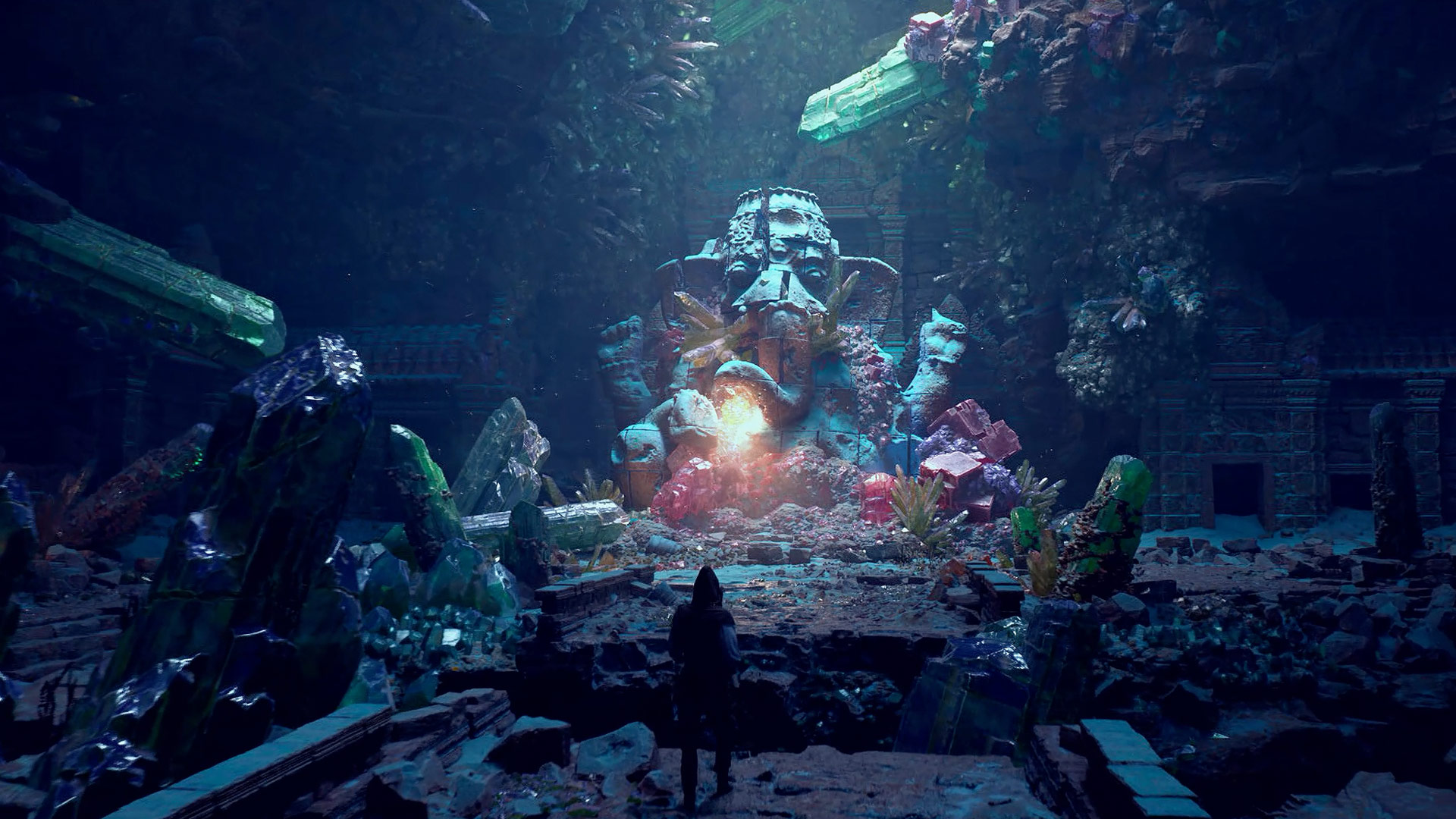
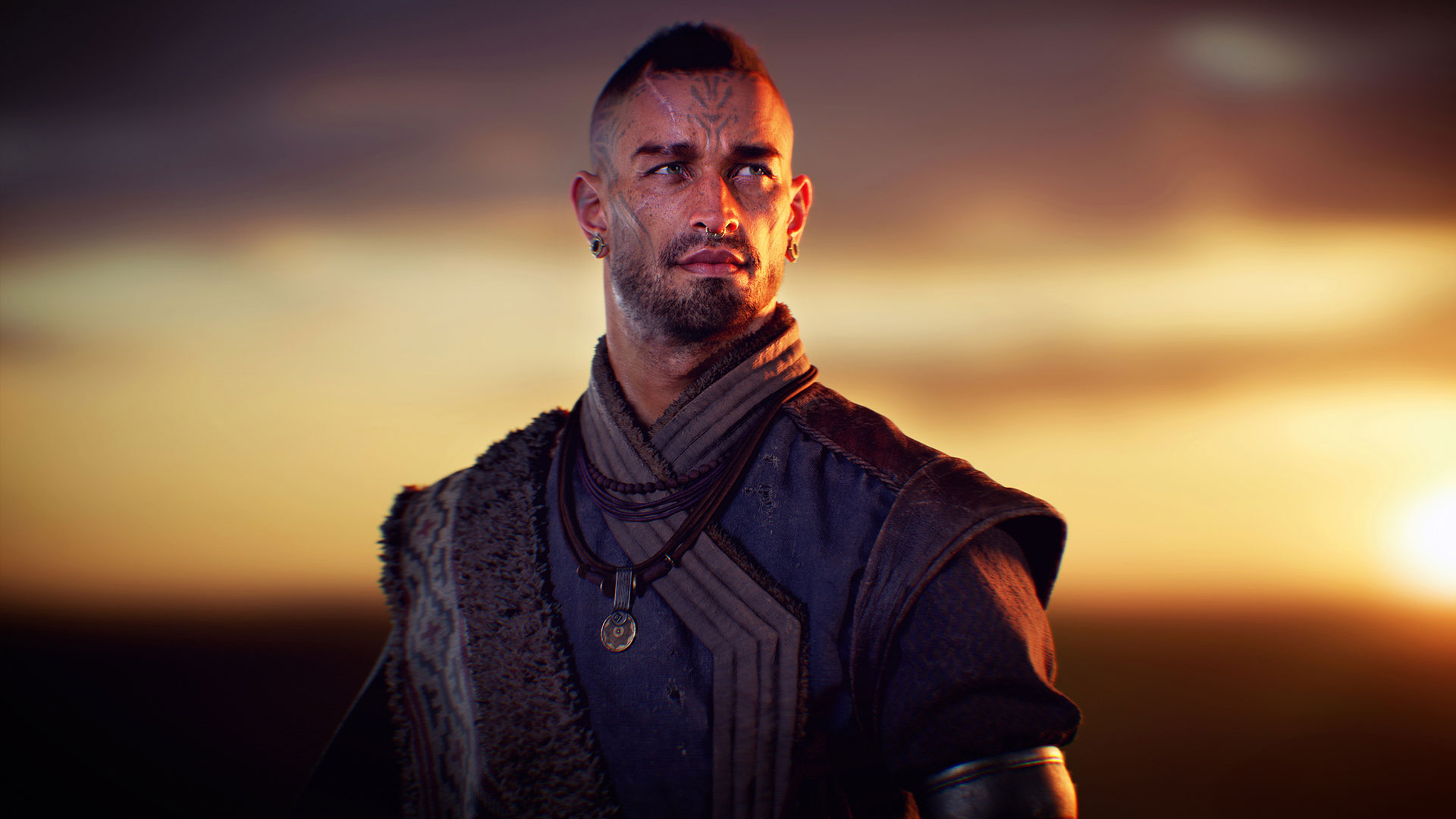

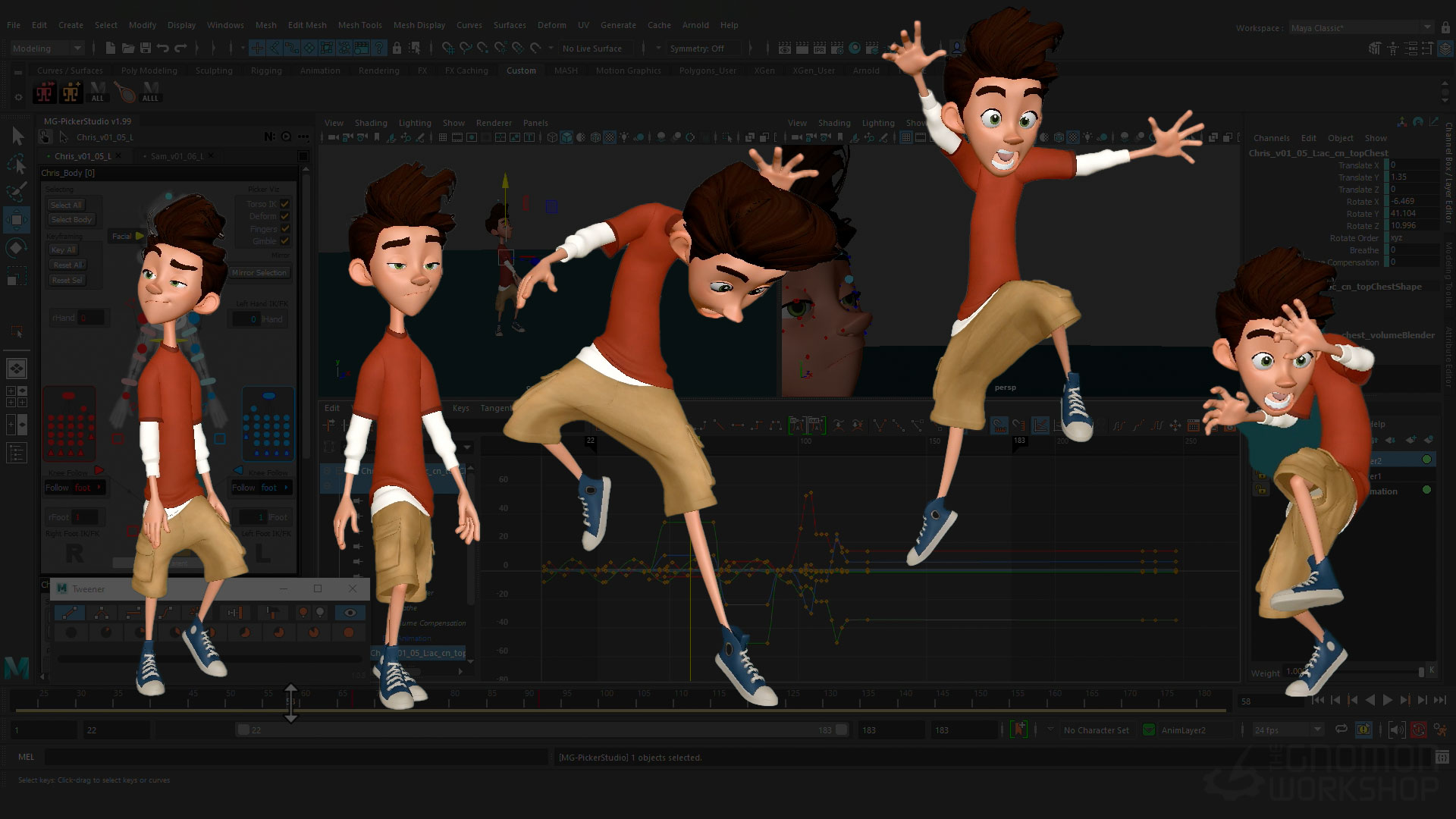









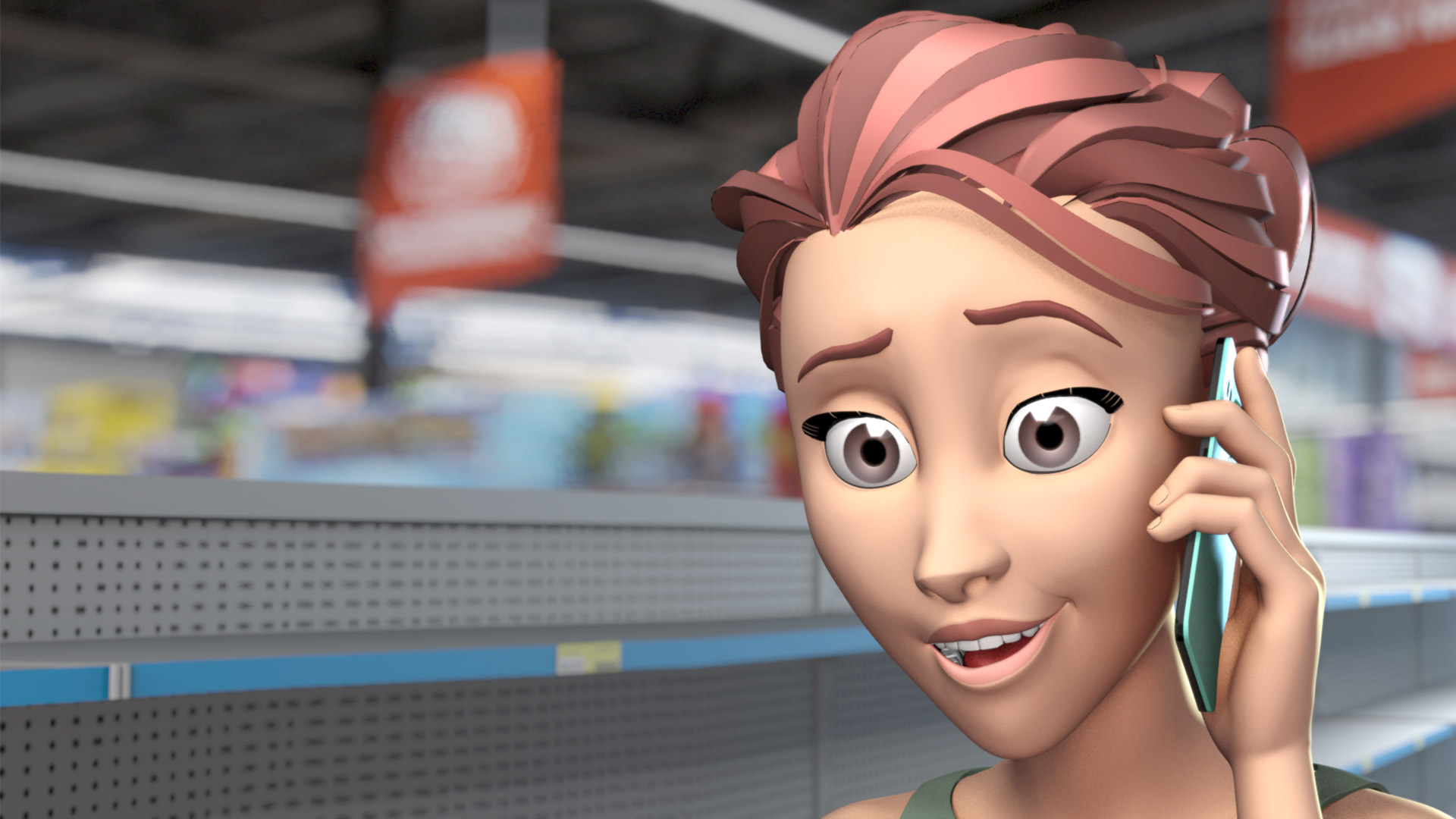
In this workshop, Victor Navone, Supervising Animator at Pixar Animation Studios, reveals the art of facial animation for feature films using a style similar to Pixar. Learn how to animate a shot from start to finish and discover Victor’s workflow tips, guidelines, and essential tools for creating appealing, feature-quality facial performances for CG-animated characters.
Victor has been animating at Pixar since 2000, starting on Monsters, Inc. and working on every feature film as well a number of shorts, including the “SparksShorts.” In this three-hour workshop, he discusses what exactly “appeal” in animation means as well as how to apply it to your animations. The importance of asymmetry is covered including how to use lines of action when developing rhythm in expressions. The lessons also delve into facial anatomy and how to push exaggeration in animation for appealing results, as well as how to stylize — and even cheat — expressions to make them look great for a specific camera view.
The lecture begins with warm-up expression exercises and an introduction to the character model from Long Winter Studios, detailing how to utilize drawings and model sheets by great animation artists to interpret 2D drawings into 3D expressions. Lessons continue into planning out a complete shot using dialog to animate to, teaching the animation block-out stage for the face and body, before covering the brow mechanics and how to animate the eyes and lips. To conclude this detailed and informative start-to-finish tutorial, Victor ends with the final touches that polish off a facial performance scene suitable for a feature film.
6 Lessons
Victor Navone begins his workshop with an introductory lesson that provides invaluable insight into professional-level facial animation techniques used at Pixar. Victor's approach emphasizes how great facial animation requires thinking beyond the technical limitations of 3D rigs and instead focusing on artistic principles of design, asymmetry, and exaggeration. By studying 2D drawings from master artists and carefully manipulating every aspect of the facial controls, often in ways that might seem extreme or "break" the model from certain angles, animators can learn how to achieve expressions that feel organic, appealing, and emotionally resonant for audiences. Victor explains why what matters most is how the face reads from the camera's perspective, not technical perfection from every angle.
Duration: 47m 12s

This lesson emphasizes thorough pre-production planning for character animation, demonstrating that successful facial animation requires exploring multiple interpretive options before execution. Victor's approach of generating 18 different emotional combinations for just three dialogue beats shows the importance of exhausting creative possibilities early in the process. By treating video reference as inspiration rather than a blueprint, and carefully considering how emotional beats transition and contrast with each other, animators can learn how to create more nuanced, appealing performances that go beyond literal reproduction to achieve expressive, character-driven animation.
Duration: 14m 18s

This lesson demonstrates Victor's professional facial animation workflow that prioritizes clear communication of character, thought, and emotion through strategic timing and pose choices. His approach to working from broad body blocking through eye direction, then facial expressions, and finally to polish creates a layered performance that feels alive and intentional. By emphasizing asymmetry, graphic clarity, proper eye mechanics, and having facial changes precede physical actions, he shows how to create believable performances that effectively communicate the character's internal emotional state to the audience.
Duration: 40m 41s

This lesson provides essential principles for creating believable facial animation by understanding the underlying anatomy and maintaining proper relationships between facial features. Victor explains why realistic animation doesn't come from complex systems, but from understanding simple mechanics. Those mechanics are two muscle groups that control the brows, and the eyelid-pupil relationship communicates energy. By applying offset timing, maintaining connectivity between parts, and carefully adjusting shapes based on the character's emotional state and eye direction, animators can learn how to create nuanced, lifelike performances that effectively convey both emotion and attitude.
Duration: 24m 58s

In this lesson, Victor demonstrates his professional, production-tested approach to lip-sync animation that prioritizes readability, expressiveness, and appeal over strict realism. By working in layers and constantly favoring extreme poses while maintaining the character's emotional expression, animators can learn how to create mouth animation that feels both organic and graphically appealing. His technique requires patience and multiple refinement passes, but ultimately results in lip-sync that effectively communicates dialogue while supporting the character's performance and maintaining the audience's suspension of disbelief.
Duration: 49m 5s

This final lesson emphasizes the importance of stepping back from your work to gain objectivity and the value of iteration in animation. Victor demonstrates that refinement often involves numerous small adjustments (eye alignment, mouth shapes, subtle squash-and-stretch) that collectively elevate the performance from good to polished. He shows that a willingness to deviate from original plans and to prioritize what works for the camera angle over technical perfection is an important problem-solving mindset in professional animation.
Duration: 12m 46s

Primary tools
For this workshop you’ll need:


Skills Covered
Who’s this Workshop for?
This workshop is intended for animators with a solid foundation in character animation who want to deepen their skills in facial performance for feature films. It is especially well-suited for intermediate to advanced 3D animators aiming to create expressive, appealing facial animation that meets the standards of high-end studio productions.
Animation students preparing for feature film work, character animators refining their performance skills, and professionals looking to strengthen their understanding of facial appeal and acting will all benefit from Victor Navone’s experience-driven approach. Artists interested in translating strong acting choices into polished facial animation will find this workshop particularly valuable.
Learning Outcomes
By completing this workshop, artists will gain a comprehensive understanding of how to craft feature-quality facial animation from initial planning through final polish.
Key skills include:
- How to define and apply the concept of appeal to facial animation performances.
- How to use asymmetry and lines of action to create natural, expressive facial rhythm.
- How to translate 2D drawings and model sheets into convincing 3D facial expressions.
- How to plan and block facial animation using dialogue and performance reference.
- How to animate brows, eyes, and lips to support clear emotional storytelling.
- How to push exaggeration while maintaining believability and camera readability.
- How to refine and polish facial animation to a feature film production level.